Prevent Deeper Decay
Reduce the need for root canal treatment, crowns, or dental implants in severe cases.
Prevention, Early Detection, and Treatment
Tooth decay (commonly known as cavities) is the most widespread oral disease worldwide. According to the World Health Organization, over 90% of people globally will experience some degree of dental caries in their lifetime.
Early detection and timely dental fillings at a professional dental clinic can help avoid more complex procedures such as root canal treatment, dental implants, or even tooth extraction. For patients considering medical tourism or living abroad as expats, access to an English-speaking dentist makes preventive care and treatment much easier.
This article provides a comprehensive overview of prevention, early detection, and treatment, combining clinical knowledge with practical daily care advice, especially for those seeking reliable expat dental services.
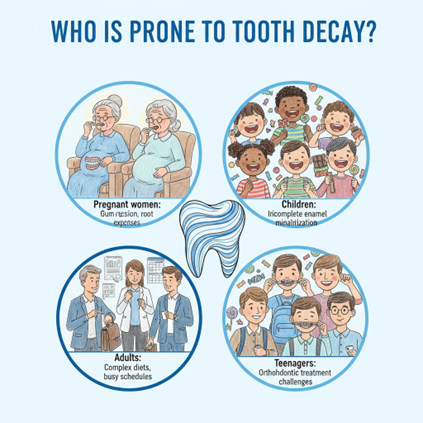
Understanding risk factors across different age groups and life stages.
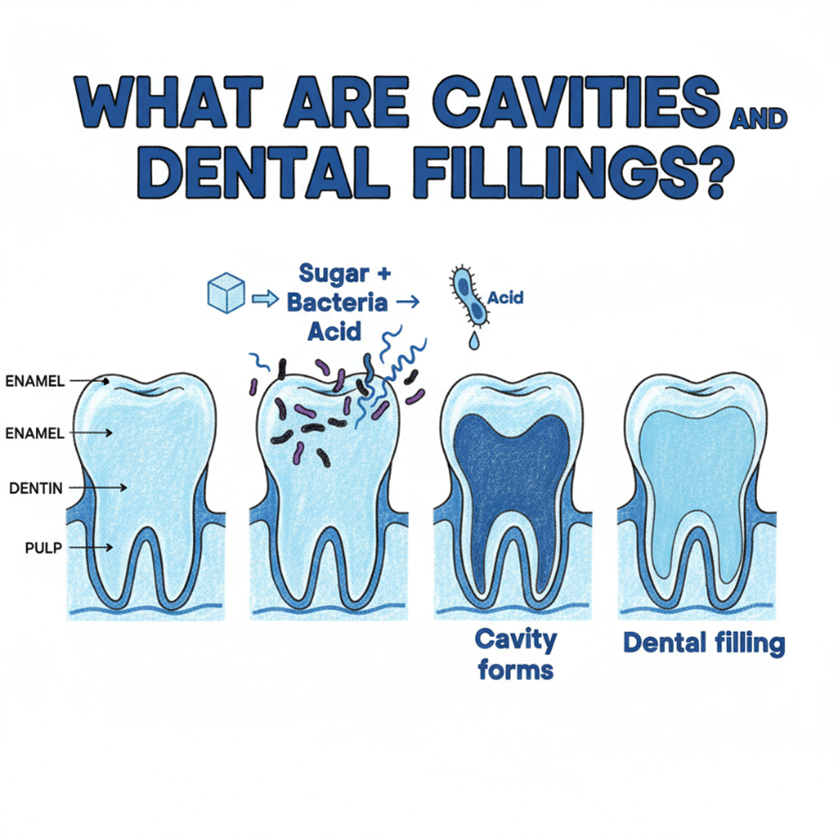
Understanding the decay process and restorative treatment.
Sugars from food residues → broken down by bacteria → acids are produced → enamel minerals dissolve → cavities develop. Without treatment, decay can progress into dentin and eventually reach the pulp.
The dentist removes decayed tissue and fills the cavity with restorative materials, restoring both function and aesthetics. Fillings are not only a treatment but also a preventive step to stop further damage.
Reduce the need for root canal treatment, crowns, or dental implants in severe cases.
Maintain chewing function and protect proper tooth alignment.
Reduce pain and the risk of oral infection.
Save future costs and avoid complex procedures.
👉 Knowledge addition: Cavities in primary teeth (baby teeth) must also be treated. Untreated decay may affect the proper eruption and alignment of permanent teeth.
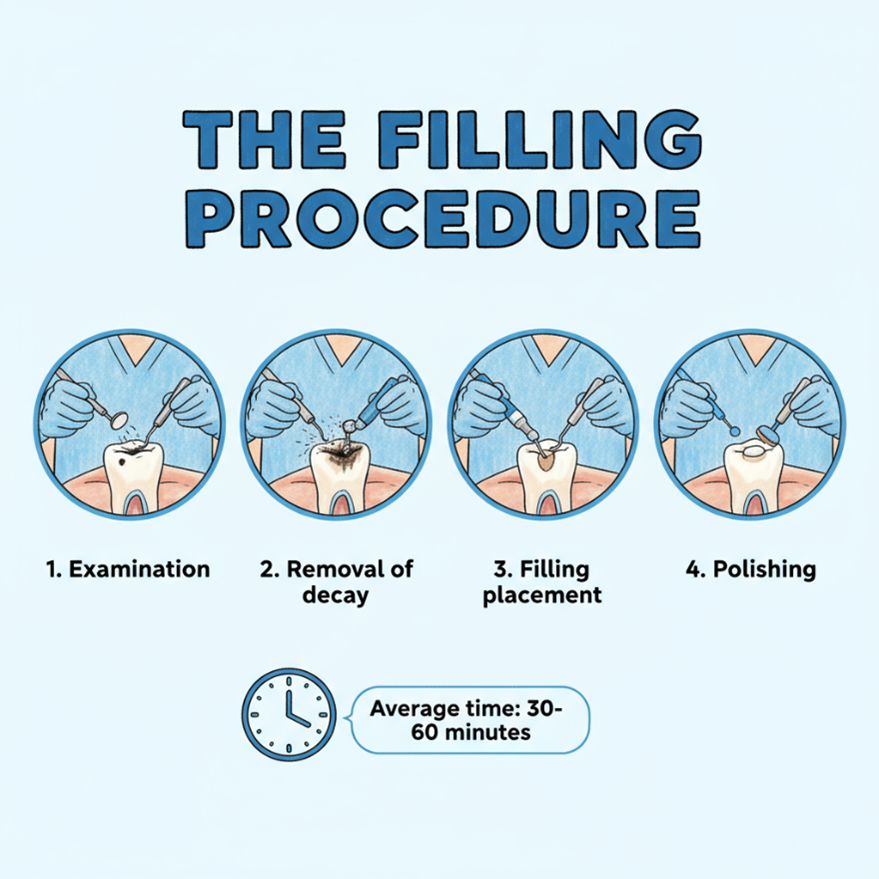
Visual check and dental X-rays if needed.
Cleaning out decayed tissue while preserving healthy tooth structure.
Restoring the cavity with suitable materials.
Ensuring proper bite and a smooth surface.
⏱ Timeframe: On average, one filling takes about 30–60 minutes at a qualified dental clinic.
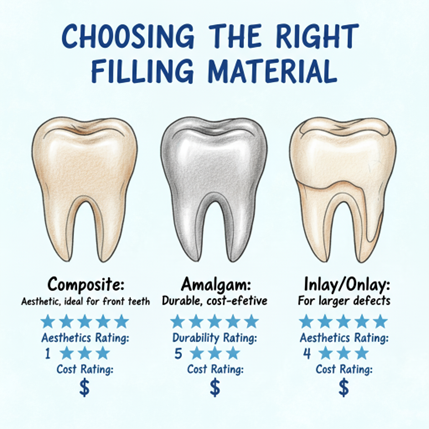
Benefits: Tooth-colored, highly aesthetic, ideal for front teeth or small cavities.
Technology: Modern light-cured resins bond tightly to teeth, reducing the risk of recurrent decay.
Benefits: Durable and cost-effective but less aesthetic.
Note: Use is declining in modern dentistry.
Materials: Ceramic or composite.
Suitable for: Large defects, offering longer durability and excellent function.
Reduce sugar intake and avoid sipping sugary drinks frequently.
Brush twice daily with fluoride toothpaste, ideally within 30 minutes after meals.
Use dental floss and mouthwash to remove debris between teeth.
Visit your dental clinic at least once every six months for early detection.
Fluoride varnish and fissure sealants can strengthen teeth and lower cavity risk.
Local anesthesia is commonly used to reduce pain during filling treatment, but comfort varies by patient and some pressure, sensitivity, or post-treatment discomfort may occur. Ask the dentist about pain-control options and risks.
Depends on the material and oral hygiene—typically several years to over a decade.
Yes. Poor oral hygiene may cause recurrent decay around the filling edges.
Yes. Untreated cavities can cause pain, infection, and even disrupt permanent tooth development.
Some clinics in major cities may offer English-language communication and visitor-oriented support. Confirm language support, dentist qualifications, pricing, and follow-up terms directly with the clinic.
Cavities are not something to fear—the key is "early detection and early treatment."
With regular check-ups, proper oral care, and a balanced diet, the risk of dental caries can be reduced for many patients.
Choosing a clinic should involve direct verification of dentist qualifications, treatment options, materials, pricing, and follow-up guidance. Good daily prevention and timely professional care can support long-term oral health.
For those exploring medical tourism or seeking reliable expat dental services, finding an English-speaking dentist helps make the journey smoother.
Dental fillings are not just about repairing damage—they are an essential step in protecting teeth and preventing further complications.

Member of the Chinese Stomatological Association
Member of the Chinese Academy of Esthetic Dentistry
Member of the Sedation and Pain Control Committee of the Chinese Stomatological Association
Specialist Member of the Chinese Orthodontic Society
Certified Invisalign Provider
Certified Invisalign First Provider for Early Orthodontic Treatment
Sapphire Doctor of LM Orthodontics (Finland)
This article was reviewed for general educational accuracy by the expert listed above. The profile details are shown for review transparency. Dentaltourism is an independent dental tourism information platform and does not provide medical treatment directly. Please verify current credentials, affiliation, license status, and treatment suitability directly before making clinical decisions.