Enhanced Appearance
Brighter teeth can boost self-confidence and make a positive first impression.
A professional resource for international medical tourists and expats in China.
A smile is a universal language. The color of your teeth is closely tied to appearance, confidence, and social interactions. With the rising global demand for brighter smiles, many international tourists and expatriates in China are seeking safe, effective, and cost-efficient whitening treatments through medical tourism. Some clinics in Beijing, Shanghai, Shenzhen, and other major cities may offer whitening services and English-language support, but visitors should verify dentist qualifications, materials, pricing, and follow-up terms directly before booking.
Indications — extrinsic stains, intrinsic discoloration, and event-driven whitening.
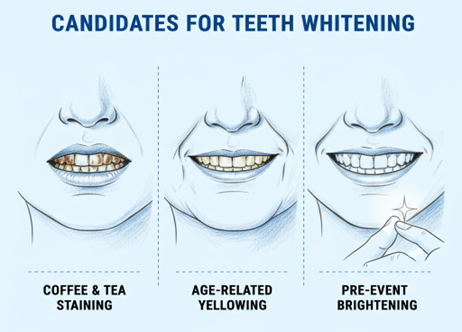
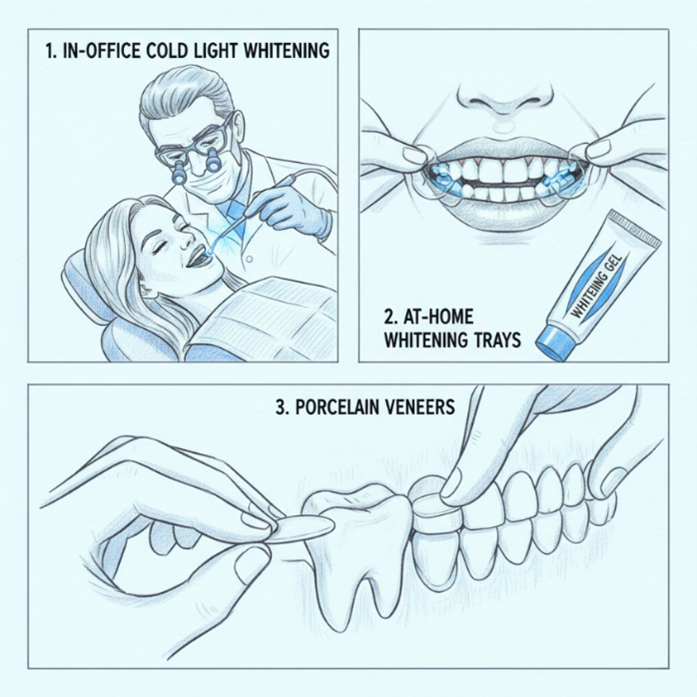
Definition and common clinical approaches.
Definition: Teeth whitening refers to the use of chemical or physical methods to brighten tooth color. It is different from cleaning (scaling), which only removes surface deposits.
Brighter teeth can boost self-confidence and make a positive first impression.
Particularly helpful for expatriates working in China who value a polished, professional look.
Often paired with other treatments (such as implants) to maximize time and outcomes.
Whitening outcomes vary by enamel shade, diet, oral hygiene, and the type of whitening system used. Visitors should confirm suitability and expected shade change directly with a licensed dental professional.
Rule out cavities or gum disease before whitening.
Thirty to ninety minutes per session with immediate results.
Two to four weeks for gradual, longer-lasting effects.
Most results last 6–24 months depending on habits.
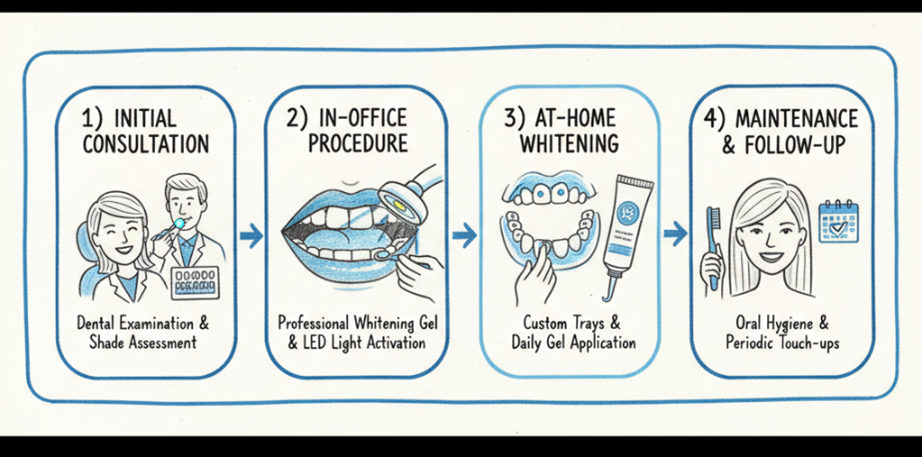
Cold light is the standard option; laser may achieve faster visible results.
Hydrogen or carbamide peroxide used under professional supervision is intended to support safer whitening, but suitability, sensitivity risk, and results vary by patient.
Suitable for deep stains; provides durable color and natural aesthetics.
A shade close to the whites of the eyes usually looks most natural and harmonious.
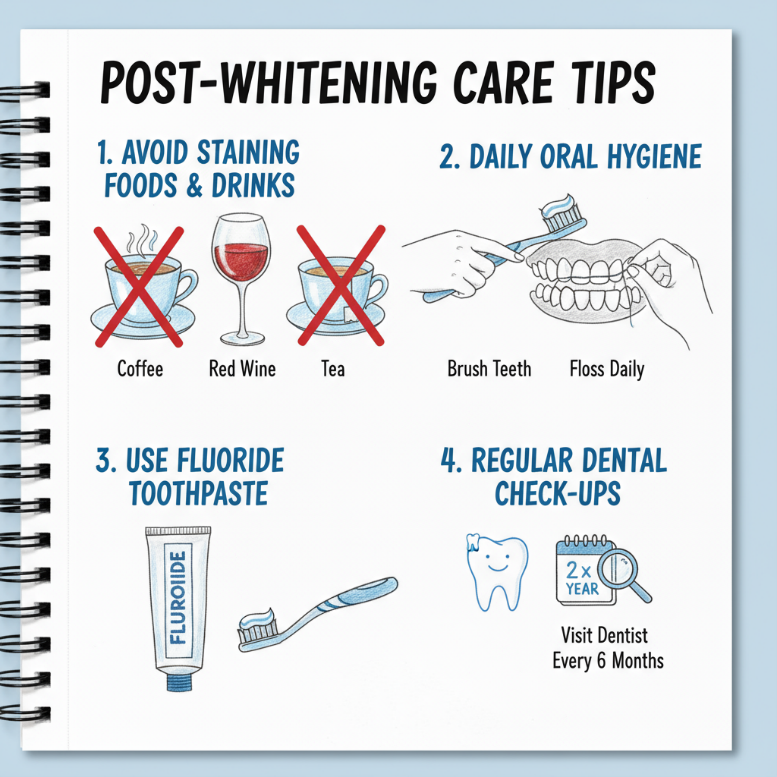
Limit coffee, tea, and red wine—especially within 48 hours post-treatment.
Brush and floss daily; schedule professional cleanings as advised.
Helps strengthen enamel and reduce sensitivity.
Plan visits every 6–12 months to monitor shade and maintain results.
When performed by licensed professionals with regulated peroxide concentrations, whitening is considered safe.
Typically 1–2 years, often 6–24 months in daily life, depending on diet and habits.
Temporary sensitivity may occur for 24–48 hours; desensitizing toothpaste and fluoride can help.
Costs and materials vary by clinic, city, and whitening method. Confirm product details, concentration, pricing, contraindications, and follow-up terms directly with the clinic.
Some clinics in major cities may offer English-language communication and visitor-oriented support. Confirm language support, dentist qualifications, pricing, and follow-up terms directly with the clinic.
Teeth whitening is not just about aesthetics; it also requires screening, informed consent, and realistic expectations. International visitors should verify dentist qualifications, whitening materials, sensitivity risks, pricing, and follow-up guidance directly before booking.

Executive Director and Chief Medical Officer, ARRAIL Group (06639.HK)
General Manager of Hospitals and Clinics, ARRAIL Group
Former professor & vice dean, West China College of Stomatology, Sichuan University
Former professor & dean, Guangdong Provincial Stomatological Hospital, Southern Medical University
Former vice-president, Chinese Stomatological Association
Former Chairman, Chinese Society of Periodontology
This article was reviewed for general educational accuracy by the expert listed above. The profile details are shown for review transparency. Dentaltourism is an independent dental tourism information platform and does not provide medical treatment directly. Please verify current credentials, affiliation, license status, and treatment suitability directly before making clinical decisions.