Restored Chewing Ability
Implants can restore over 90% of natural bite force, allowing you to enjoy your favorite foods again.
A professional resource for international medical tourists and expats in China.
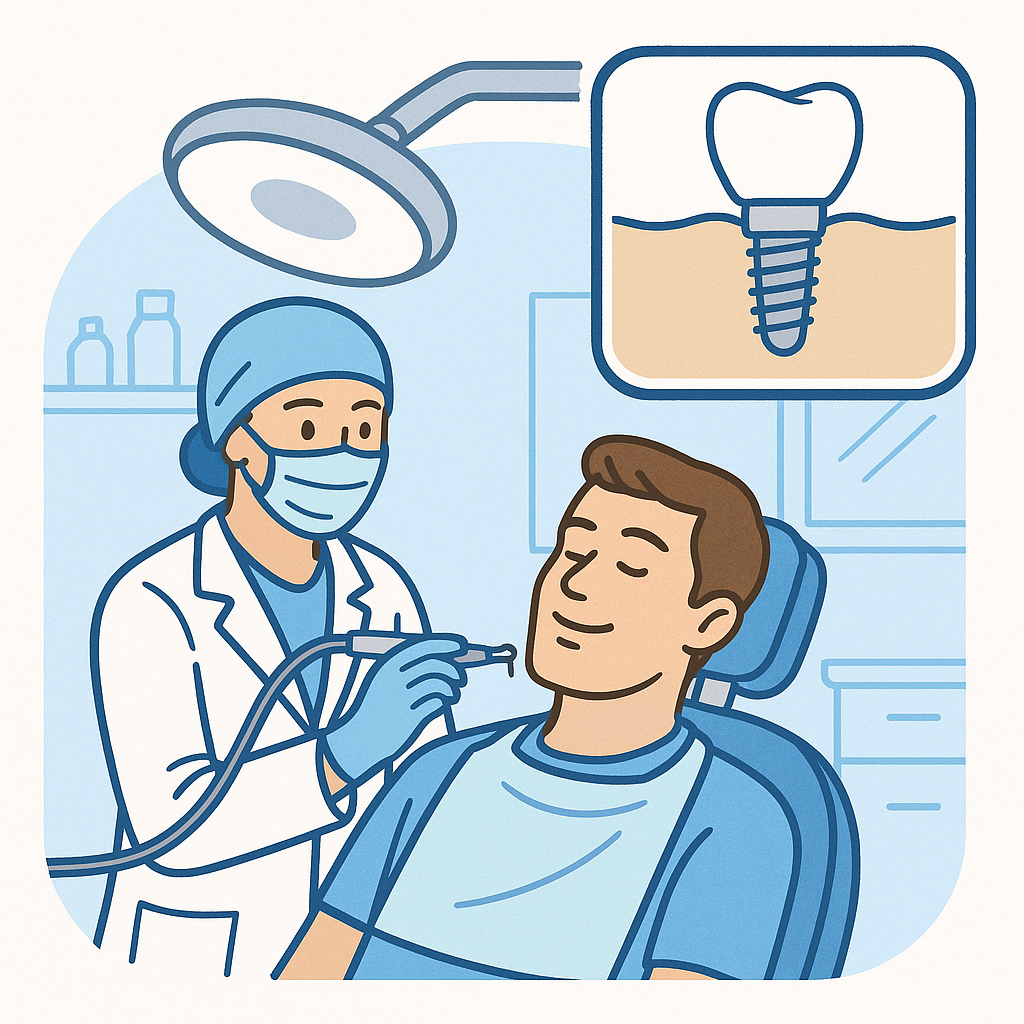
Teeth are more than tools for chewing—they are essential for facial aesthetics, speech, and overall health. Studies show that tooth loss can impair digestion and nutrient absorption, while also increasing risks of periodontal disease and systemic conditions.
As global awareness of oral health grows, dental implants have become a common option for replacing missing teeth. International visitors researching care in China should compare clinic licenses, dentist qualifications, imaging, materials, treatment timing, and follow-up requirements before making any booking decision.
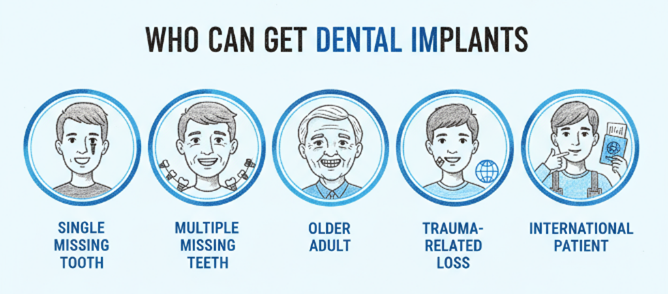
Indications — single tooth loss, multiple missing teeth, and full-arch restoration.
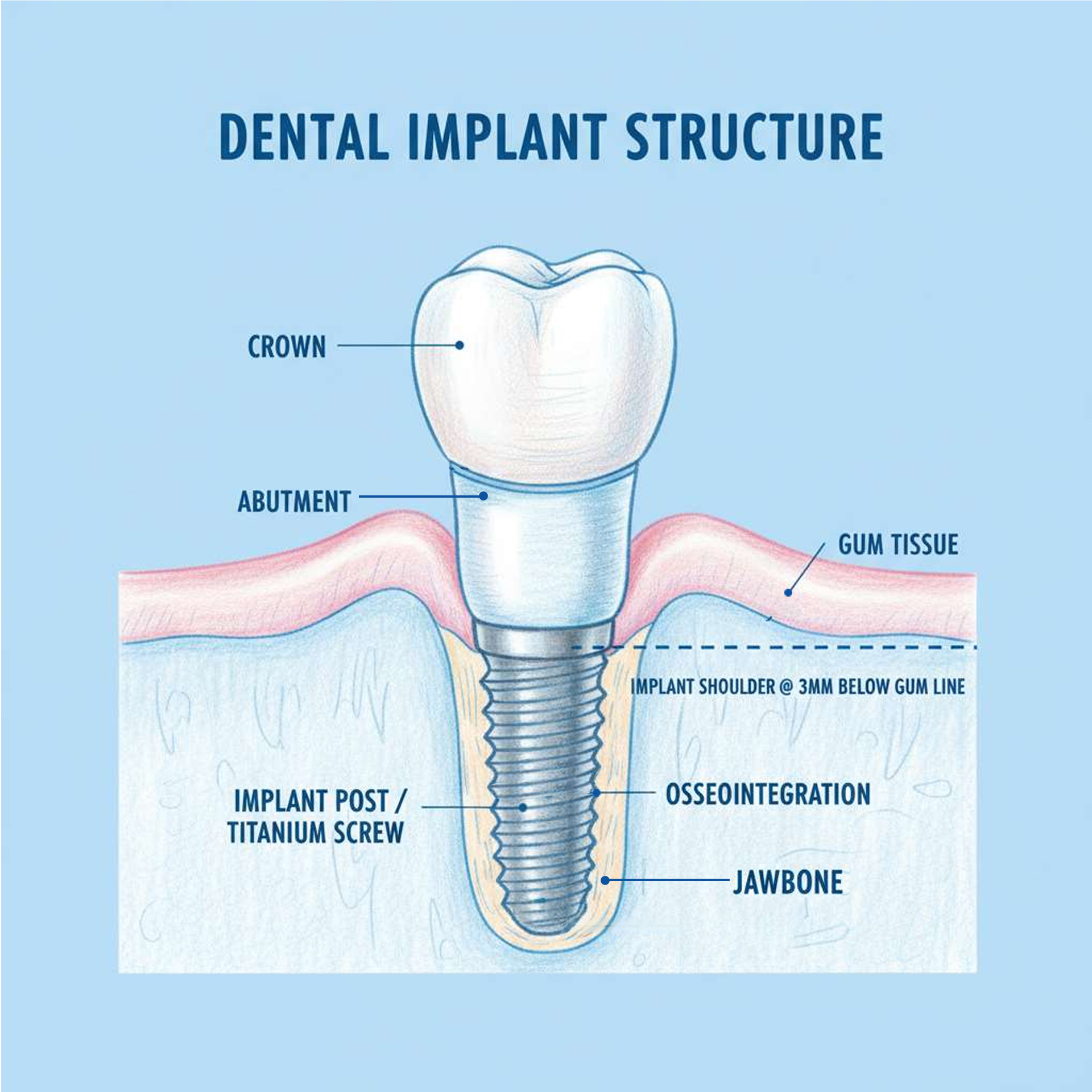
Definition and key differences from traditional tooth replacement options.
Definition: A small titanium or zirconia post surgically inserted into the jawbone, functioning as an artificial tooth root to support a crown.
Unlike removable dentures or fixed bridges, implants do not rely on adjacent teeth for support, providing a near-natural feel and function. They preserve jawbone integrity and prevent the bone loss that typically follows tooth extraction.
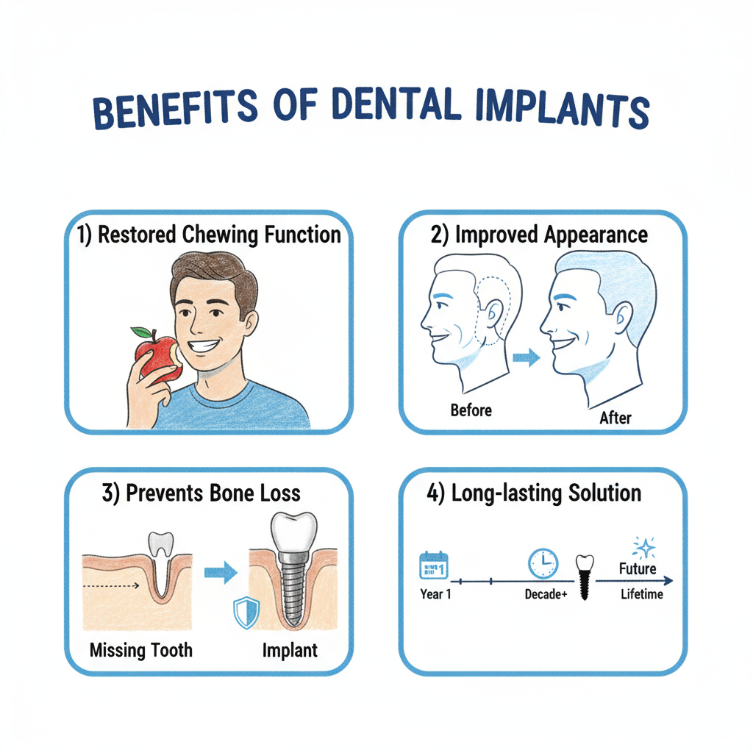
Implants can restore over 90% of natural bite force, allowing you to enjoy your favorite foods again.
Prevents facial sagging, speech difficulties, and social anxiety while boosting confidence.
Prevents tooth shifting, bone loss, and digestive strain associated with missing teeth.
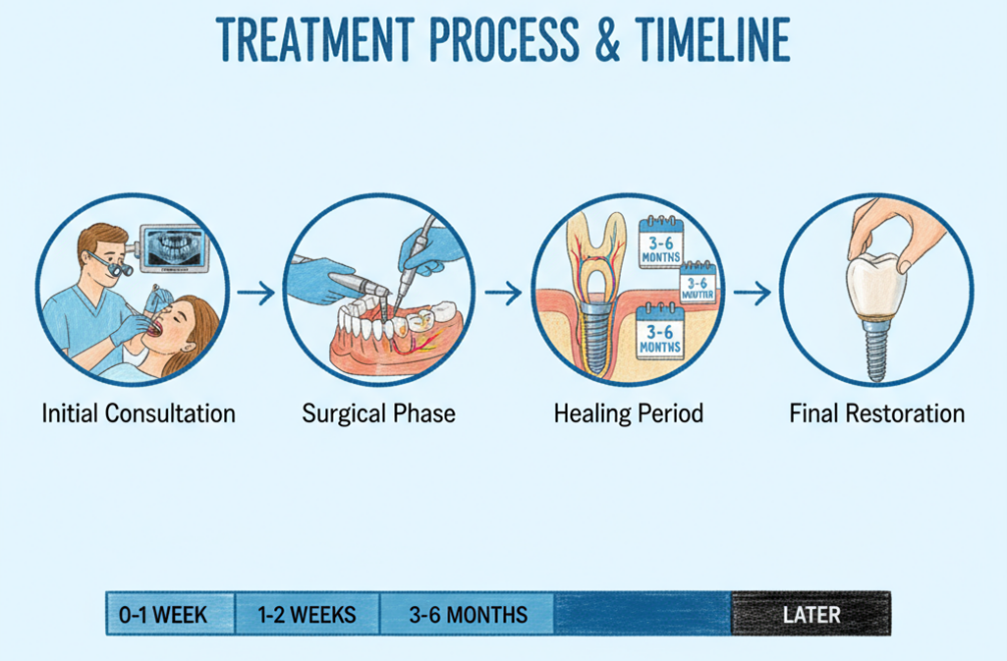
Includes panoramic X-rays or CBCT scans, oral and systemic health evaluation. Many international clinics provide consultation in English.
Implant placement, usually 30–60 minutes for a single tooth.
Osseointegration (bonding with the bone) typically takes 3–6 months.
A custom crown is placed after osseointegration is complete.
Timeframe: Standard cases take 3–6 months; complex cases require longer.
Titanium: Standard, highly biocompatible metal option.
Zirconia: Aesthetic, metal-free alternative for patients with sensitivities.
Both domestic and international implant brands are available, with cost and precision being the main differences. Top clinics offer premium European and American brands.
Computer-guided surgery can support more precise planning and placement, but suitability, risks, and outcomes depend on each patient's anatomy, health status, and clinical plan.
Minimally invasive approaches, immediate implant placement, and same-day teeth options available in selected cases.
Three things to nail down in writing before any implant treatment: how the price is composed, which brand and generation, and what the warranty actually covers.
An implant quote is rarely one number. It is the sum of three component prices plus surgical and follow-up fees. Clinics that present a single "all-in" figure should be willing to break it down on request — opacity at this stage is a yellow flag.
For range-based pricing comparisons across tiers (public hospital, mid-tier private, premium international), see our pricing guide. Final pricing is confirmed by the clinic directly.
Brand selection drives a meaningful portion of total cost and is one of the more substantive decisions in implant treatment planning. The major brands available in mainland China fall into three rough tiers:
Ask not just for the brand but for the specific product line and generation — for example, Straumann BLT versus Straumann BLX, Osstem TS III versus TS IV. Different lines within the same brand are designed for different clinical situations and price differently.
Most international-brand implant manufacturers offer manufacturer-level warranties on the implant body itself (often "lifetime" against manufacturing defects). The clinical warranty — what the clinic itself stands behind — is the more practically relevant term, and it varies clinic by clinic. Premium international clinics in tier-1 Chinese cities typically offer clinical warranties in the five to ten year range on implant integration and prosthetic work.
What a typical clinical warranty does and does not cover, in practice:
Three questions to ask in writing before signing for treatment: (1) What is the clinical warranty duration, and what specifically does it cover? (2) What are the exclusions? (3) If I have a problem after I return home, how does the warranty claim process work practically — does the clinic require me to fly back, or can it be coordinated with a home-country dentist?
Bottom line: Implant treatment is a multi-year purchase, not a one-off transaction. The three things to lock down before committing are the itemized component pricing, the specific brand and product line, and a written clinical warranty with explicit inclusions and exclusions. A clinic that handles all three transparently is the kind of clinic worth working with.
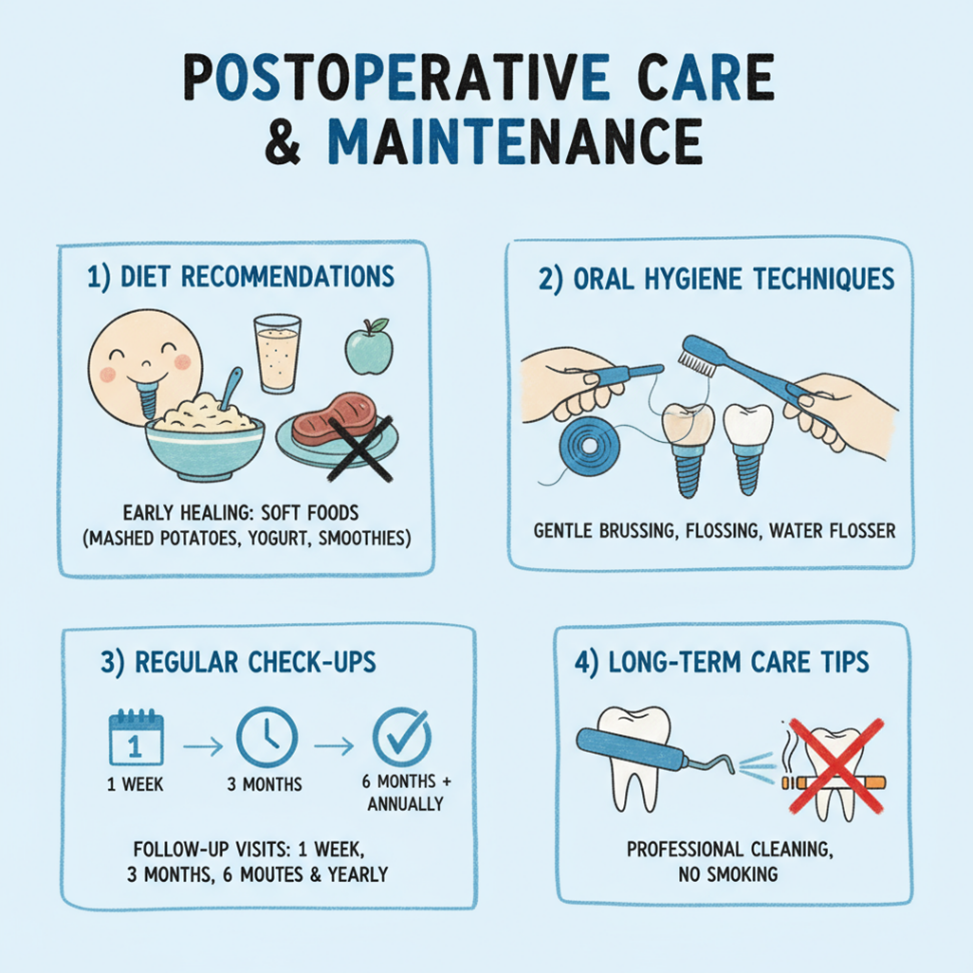
Avoid hard or sticky foods in the early healing stage. Soft foods recommended for the first 2 weeks.
Use the Bass brushing technique, floss, water flossers, or special implant floss to maintain cleanliness around the implant.
Follow-up visits at 2 weeks, 1 month, 2 months, 3 months, 6 months, and 12 months after surgery, then every 6 months thereafter.
Professional cleaning at least once a year. Quitting smoking greatly reduces the risk of peri-implantitis.
Published studies often report high implant survival rates, but individual outcomes vary by health status, bone condition, procedure quality, aftercare, and follow-up. Outcomes are typically influenced by factors such as smoking and oral hygiene; discuss your personal prognosis with the treating dentist.
Costs can range from several thousand to tens of thousands of RMB per tooth depending on materials, technique, case complexity, and city. Compare written quotes and confirm what is included before booking.
The risk of peri-implantitis (inflammation around the implant) may be reduced with appropriate hygiene, professional maintenance, and follow-up, but complications can still occur. Other risks may include infection, nerve damage, implant failure, or the need for additional treatment. Ask the treating dentist about personal risk factors, warning signs, and emergency follow-up options.
Some clinics in major Chinese cities may offer multilingual support and travel-aware scheduling. Verify clinic licenses, language support, timeline, and follow-up requirements directly before booking.
Standard cases take 3–6 months for complete healing and restoration. Complex cases requiring bone grafting may take 9–12 months. Some clinics offer immediate loading protocols for select patients.
Dental implants are more than a medical treatment—they are an investment in long-term quality of life. Whether replacing a single tooth or reconstructing a full arch, success depends on professional evaluation, precise surgery, and lifelong maintenance.
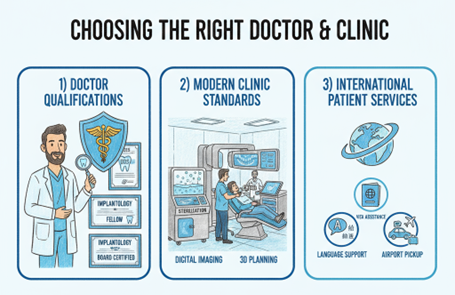
For dental travelers and expats, choosing a clinic should involve direct verification of dentist qualifications, treatment options, pricing, risks, records, and follow-up support. Dentaltourism content is for research and comparison, not a guarantee of clinical suitability or treatment outcome.

Doctoral Supervisor; Chief Physician; Professor
Director, Department of Oral Implantology and Prosthodontics, Shanghai
Vice Chairman, Expert Technical Committee of Arrail Group Limited (06639.HK)
Founding Member of Foundation for Oral Rehabilitation China Council (FOR)
Member, International Association for Dental Research (IADR)
This article was reviewed for general educational accuracy by the expert listed above. The profile details are shown for review transparency. Dentaltourism is an independent dental tourism information platform and does not provide medical treatment directly. Please verify current credentials, affiliation, license status, and treatment suitability directly before making clinical decisions.